A baby takes its first breath, more of a gasp – the newborn’s lungs inflate with oxygen for the first time. Usually this happen naturally within about ten seconds. After a few breaths, the baby will breathe more easily and the breaths will become deeper and more regular.
Breathing is an instinctive part of life for all of us. Deep breathing has been used for centuries in many cultures and traditions but recently scientific research has been gathered to demonstrate the health benefits of conscious deep breathing. It has been shown to ease headaches, high blood pressure, asthma and anxiety. Deep breathing increases energy and promotes calm. Rhythmic breathing can impact memory in a positive way and can help to boost the mood of individuals. It also triggers the parasympathetic response in the brain, which is known to boost the immune system. An awareness of breath teaches us to be more mindful.
How to Breathe
- For an awareness of breath, choose either to rest or or two fingers under your nose or place your hands on your chest or your tummy.
- Take a deep breath in through your nose.
- Fill your abdomen, ribs and upper chest.
- Exhale slowly and reverse the process.
- Continue this rhythm a few times.
- Gently resume normal breathing.
Introducing mindful breathing to children
This is a simple and valuable tool to use with children. I have introduced mindful breathing to my own children and to the kids that I work with in schools. Preferably deep breathing should be taught in a group or individually as an exercise to be used at other times, when needed.
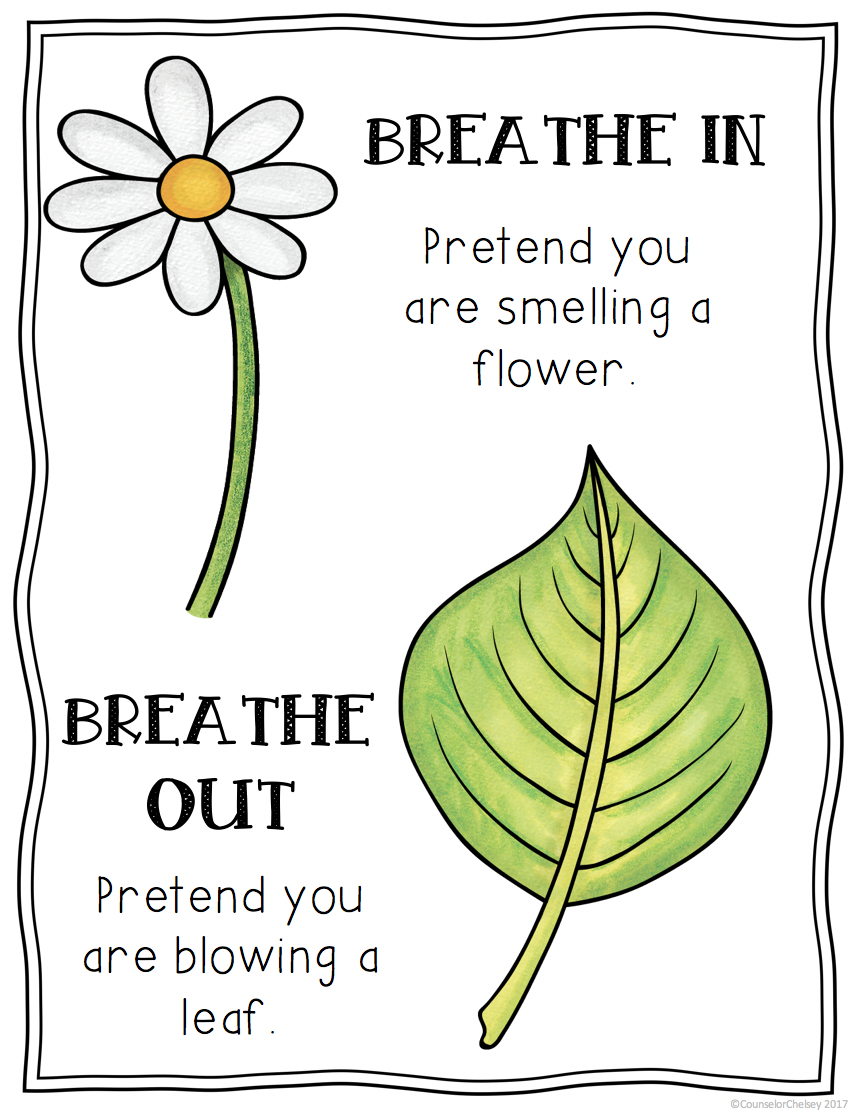
If a child is anxious, upset or escalated emotionally in any way, use this simple breathing exercise with them. It takes just a few moments. All I have to do is indicate to the child by putting my hand on my tummy and they know to copy – breathe in and blow out slowly. In class when I am teaching this technique I use simple visual aids: posters on the wall saying ‘BREATHE IN’ and ‘BLOW OUT SLOWLY’ around the room and also props, like bubbles and windmills. (Which I shall talk about in another article).
The children change their own physiology by lowering their heart rate and calming down. This gives the child a few moments to stop and maybe choose not to throw something in anger but to come back to their breath and clearer awareness of themselves.
Breathing well can bring more mindfulness to your life at any time, in any situation.
 Kirsty-flo-Mindful -Living